front-slider-img-1-cmp

Needle Retention in Christmas Trees: Balsam, Canaan, and Fraser fir

Needle Retention in Christmas Trees: Balsam, Canaan, and Fraser fir

Needle Retention in Christmas Trees: Balsam, Canaan, and Fraser fir

PLANT COMPUTATIONAL GENOMICS LAB – JILL WEGRZYN

PLANT COMPUTATIONAL GENOMICS LAB – JILL WEGRZYN

PLANT COMPUTATIONAL GENOMICS LAB – JILL WEGRZYN

Department of Ecology and Evolutionary Biology

Department of Ecology and Evolutionary Biology

Department of Ecology and Evolutionary Biology

previous arrow
next arrow

Forest health and conservation genomics

Butternut and Juglans: the genomic basis of fungal disease resistance

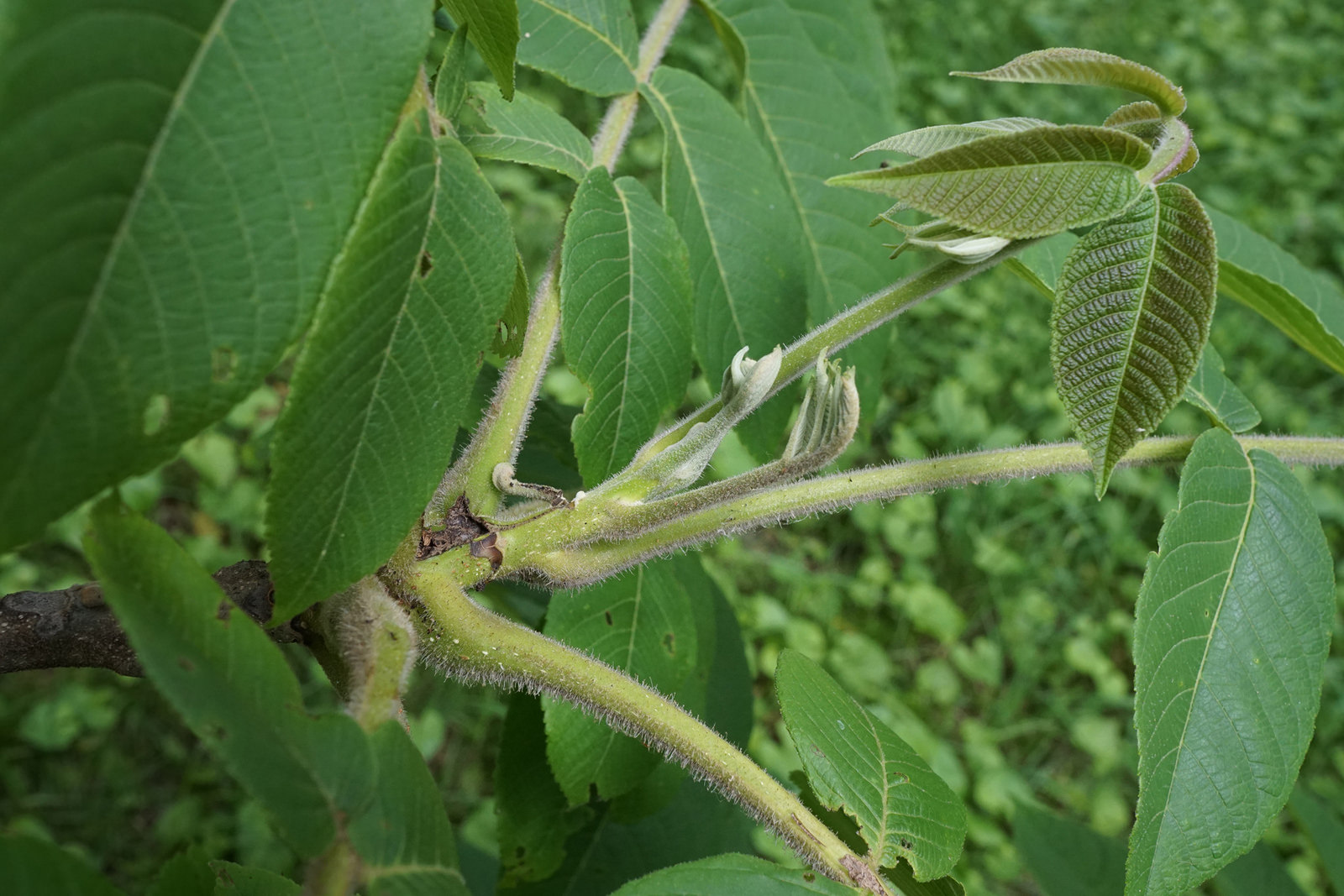
Butternut (Juglans cinerea) is a threatened North American walnut in steep decline from butternut canker, caused by the fungus Ophiognomonia clavigignenti-juglandacearum. We produced a chromosome-scale reference genome for the species and are extending the system to resistant and susceptible individuals, along with hybrids with J. ailantifolia, to resolve the structural variants, introgressed regions, and gene content differences associated with resistance. Our recent chromosome-scale comparison across Juglans indicates that divergence in fungal defense gene families is driven by gene presence and absence, with copy number playing a limited role, a distinction that changes how candidate resistance loci should be screened.

We are extending this into a de novo pangenome spanning butternut, Japanese walnut, and their hybrids (buartnuts) where each accession will be independently assembled to recover base level sequence variants. The selected accessions originate from a common garden with validated genotypes (GBS and mass array), and scored across years for canker presence, canker size, and host mortality. Individuals have been selected to span both the ancestry and resistance gradient. Oxford Nanopore long reads will be generated to obtain 30x coverage, balanced across the three taxa, and assembled through a reproducible Nextflow workflow developed in-house. Presence and absence variants will be evaluated directly against the resistance phenotypes.

Questions we are asking


  • Which structural variants and presence and absence gene variation distinguish resistant from susceptible butternuts?

  • How does introgression from J. ailantifolia contribute to canker tolerance?

  • Can genomic markers potentially accelerate selection of resistant individuals?

Lab team

Lead collaborators

Funding

Publications and preprints


  • Webster et al. (2026). Chromosome-scale Juglans genomes focus fungal defense gene divergence on gene presence and absence instead of copy number, bioRxiv. doi:10.64898/2026.07.29.740795

  • Guzman-Torres et al. (2024). Conserving a threatened North American walnut: a chromosome-scale reference genome for butternut (Juglans cinerea), G3: Genes, Genomes, Genetics. doi:10.1093/g3journal/jkad189

  • Trouern-Trend et al. (2020). Comparative genomics of six Juglans species reveals disease-associated gene family contractions, The Plant Journal. doi:10.1111/tpj.14630

Eastern hemlock and the hemlock woolly adelgid

Eastern hemlock (Tsuga canadensis) is a foundation species of eastern North American forests and is declining rapidly under the introduced hemlock woolly adelgid (Adelges tsugae). Chemical and biological controls offer limited protection. That leaves host tolerance, and tolerance varies both within T. canadensis and across the genus. We generated the first chromosome-scale reference genome for T. canadensis and paired it with chromosome-scale genomes for the invasive adelgid, enabling virtual screening for selective adelgicides. On the host side, we collected phenotypic, transcriptomic, and metabolomic data across a full year from lingering trees, which persist in long-infested stands, and from susceptible ones. The trees were ramets of two genotypes from the 'Bullet Proof' stand in New Jersey, planted in small plots in Massachusetts, Pennsylvania, and North Carolina. Co-expression network analyses identified modules consistently elevated in lingering trees, including those associated with terpenoid biosynthesis, cell wall remodeling, and immune and stress response signaling.

Resistance to the adelgid is not uniform across the genus. Western North American hemlocks carry the insect without the damage seen in the east: in the Pacific Northwest the adelgid establishes readily on western hemlock (T. heterophylla), natural enemies hold populations in check, and infested trees persist. Asian species show stronger, though uneven, resistance. Under artificial infestation, adelgid density is lowest on Chinese hemlock (T. chinensis). Fewer crawlers settle there, and those that do survive poorly and develop slowly, combining antixenosis with antibiosis. Hybrids of T. chinensis with T. caroliniana and T. sieboldii are intermediate, while T. sieboldii itself supports densities comparable to the susceptible North American species. That resistance is specific to the introduced adelgid lineage, which traces to southern Japan; in its native range the species hosts dense populations of the lineage it coevolved with. We are building a Tsuga pangenome to place this variation in a genus-wide context.

Questions we are asking


  • What genomic, structural, and regulatory variation underlies tolerance in lingering hemlock?

  • Are defense responses in tolerant trees constitutive, or seasonally modulated?

  • Which terpenoid pathways covary with adelgid attraction and repellence, and can they be targeted for selective control?

Lab team

Project page: Trees in Peril, The Nature Conservancy

Lead collaborators

Funding

Publications and preprints


  • Glendening et al. (2025). Chromosome scale genomes of two invasive Adelges species enable virtual screening for selective adelgicides, G3: Genes, Genomes, Genetics. doi:10.1093/g3journal/jkaf232

American beech: beech bark disease and beech leaf disease

American beech (Fagus grandifolia) faces two diseases. Beech bark disease, a complex of a scale insect and its associated fungal pathogens, has reshaped eastern forests for more than a century. Beech leaf disease, caused by the nematode Litylenchus crenatae ssp. mccannii, is more recent and is doing more damage. A small heritable fraction of beech resists the scale insect that initiates beech bark disease, and that variation has supported three decades of coordinated breeding research without a molecular basis to select on.

We are building the genomic resources to supply one: reference-quality assemblies, transcriptomes, and landscape-scale population sequencing. These now include chromosome-scale reference genomes for American beech, among them assemblies from putatively resistant and susceptible trees. Integrating those references with independent mapping populations and expression data has resolved a small set of priority regions and points to an architecture in which a major-effect locus is joined by smaller contributions from genes tied to tissue repair and oxidative stress response. Work now underway characterizes genetic variation across the native range and turns toward the mechanisms of beech leaf disease resistance, using a pangenome that spans American beech accessions and resistant species elsewhere in the genus.

Questions we are asking


  • Which loci underlie the major QTL associated with beech bark disease resistance, and what are the causal variants?

  • What early defense signaling distinguishes trees that tolerate beech leaf disease infection?

  • Can resistance to the two diseases be selected for simultaneously, or do they trade off?

Lab team

Project page: Trees in Peril, The Nature Conservancy

Lead collaborators

Funding

White pines: resistance, longevity, and epigenomic regulation

Five-needle white pines are under pressure from white pine blister rust (Cronartium ribicola), from climate stress, and in several species from steep population decline. They also include the longest-lived non-clonal organism on Earth. We assembled chromosome-scale reference genomes for three of them, among the largest genomes in the conifers.

Whitebark pine (Pinus albicaulis) is threatened and critical for high-elevation western ecosystems. Working from the USFS Dorena Genetic Resource Center pedigrees of known resistance phenotype, we are completing timecourse inoculation studies that follow the same genotypes through infection. Pairing related resistant and susceptible individuals from one pedigree separates the resistance response from background genetic variation, and the time series distinguishes early recognition and signaling from later structural and metabolic defense.

Sugar pine (P. lambertiana) work centers on the Cr1 major-gene resistance locus. We are integrating SNP assays, linkage maps, and the targeted primers to define the location of MGR. Since the primers are currently used for screening, fine-scale mapping the interval around Cr1 may assist in refining the assay. Conifers have distinctive RdDM features, including few 24-nt sRNAs, few Dicer-like 3 proteins, and MIR loci built largely from LTR retrotransposons. Profiling methylation and expression in progeny of resistant and susceptible trees after pathogen exposure tests whether regulatory state is associated with resistance.

Great Basin bristlecone pine (P. longaeva) includes the oldest dated individuals of any non-clonal tree, exceeding 5,000 years. We are integrating transcriptomics and epigenetics to find signatures that separate younger from older individuals within the species: comparing age classes inside one lineage isolates what changes over millennia of a single organism's life from what differs between species. Direct RNA sequencing reads native transcripts without reverse transcription or amplification, so isoform structure and base modifications are available.

Questions we are asking


  • How do methylation and expression of resistance-related genes shift across the stages of a timecourse infection in paired resistant and susceptible pedigrees?

  • Can integrating SNP assays, linkage maps, and operational screening primers narrow the Cr1 interval enough to improve seedling selection in practice?

  • Which transcriptomic and epigenetic signatures distinguish younger from older bristlecone pines, and does RdDM activity decline with age in a way that releases transposable element activity?

Lab team

Lead collaborators

Funding

Publications and preprints

Pangenomes and structural variation

Acer pangenome: structural variation and decline in maples

Sugar maple (Acer saccharum) is a dominant species of northeastern temperate forests and among the region's most economically valuable trees. Decline has increased across its natural range over recent decades, showing as loss of crown vigor, dieback of fine branches, reduced radial growth, and poor regeneration. Regional patterns have been inconsistent, which has made the cause hard to isolate.

Our earlier work assembled and annotated reference genomes for two North American maples and profiled genome-wide methylation with nanopore sequencing, which identified gene families associated with response to calcium depletion and drought stress. We are now placing those candidates in a genus-wide frame. The Acer pangenome samples one representative from each major group in the genus: published references where they exist, re-annotated through a single pipeline so that gene content is compared on consistent calls, plus two genomes generated here, bigleaf maple (Acer macrophyllum) and box elder (Acer negundo). That design resolves structural variation and gene content differences between species, and shows which of the candidate families are particular to sugar maple and which are shared across Acer.

Questions we are asking


  • What structural variation and gene content differences separate the major groups within Acer?

  • Are the gene families tied to drought and calcium stress in sugar maple particular to the species, or shared across the genus?

  • How much do gene presence and absence calls change when we re-annotate published Acer references through a single pipeline?

Lab team

Lead collaborators

Funding

Publications and preprints


  • McEvoy et al. (2024). Profiling genome-wide methylation in two maples: fine-scale approaches to detection with nanopore technology, Evolutionary Applications. doi:10.1111/eva.13669

  • McEvoy et al. (2022). Strategies of tolerance reflected in two North American maple genomes, The Plant Journal. doi:10.1111/tpj.15657

Magnolia pangenome

Magnolia sits outside both the eudicots and the monocots, and the genus spans a wide range of growth forms and climates across eastern North America and eastern Asia. It is also one of the lineages in which flowers produce their own heat. Thermogenesis runs during anthesis, typically in two peaks that track the pistillate and staminate stages of a floral cycle lasting two to four days. The heat is metabolically expensive, and it coincides with the release of floral scent: in M. denudata, alternative oxidase is upregulated in thermogenic tissue and couples heat production to the biosynthesis of the volatiles themselves. Beetles are the effective pollinators across much of the genus, and in several species they stay inside the warm flower overnight, which makes the heat a reward as well as a mechanism for volatilizing scent.

Published references cover a handful of species. They support comparison across the genus but not the finer variation that adaptation, hybridization, and floral trait evolution turn on, so we are assembling a Magnolia pangenome across multiple species and accessions. The pangenome puts gene family evolution and structural variation on a comparative footing within an early-diverging angiosperm lineage. It also makes the thermogenesis question testable: asking whether alternative oxidase and uncoupling protein pathways are expanded or under selection in thermogenic species needs more than one genome per lineage. For Magnolia species with restricted ranges, the same variant data may support conservation genomics.

Questions we are asking


  • Which genes underlie floral thermogenesis, and are the alternative oxidase and uncoupling protein pathways expanded or under selection in thermogenic species?

  • What structural variation and gene content differences distinguish Magnolia species and accessions?

  • How does gene family evolution in an early-diverging angiosperm lineage compare to that in eudicots and monocots?

Lab team

Funding

Reference genomes and comparative genomics

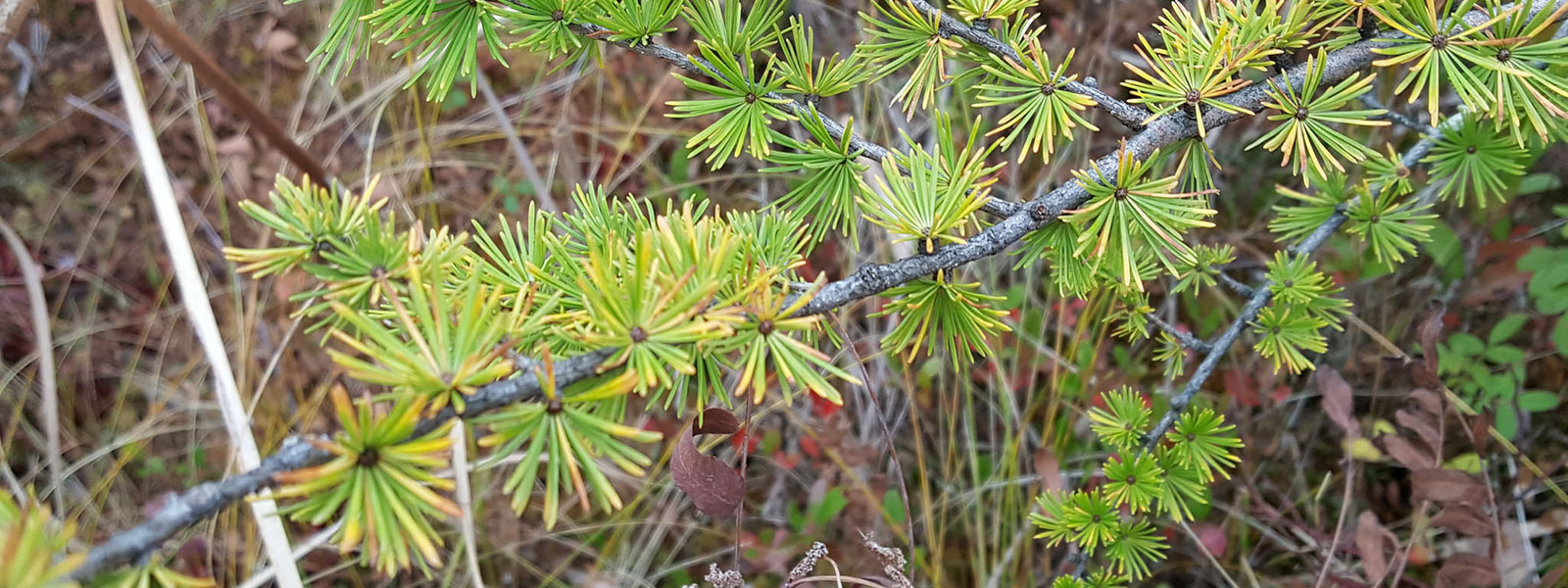
Larch: reference genome and needle senescence in a deciduous conifer

Most conifers are evergreen, holding needles across multiple seasons. Larch (Larix) is one of the few genera that is not, shedding its needles each autumn through a coordinated senescence program that resorbs nutrients before abscission. Larix dominates large areas of the Eurasian boreal forest, where deciduous needle-leaf conifers drive post-fire canopy and albedo dynamics across much of the biome; in North America the genus covers less than half a percent of boreal forest. That asymmetry makes larch a useful comparison for two questions: which regulatory pathways set needle longevity and seasonal senescence in gymnosperms, and how a deciduous habit arises in a lineage where evergreen retention is the rule.

We are generating the first reference genome for eastern larch (Larix laricina), the North American species. With it we are characterizing transcriptional and regulatory changes across the autumn senescence window and setting them against two references: the nutrient resorption and dormancy pathways described in deciduous angiosperms, and the evergreen conifers for which we already hold assemblies and annotations. Deciduous and evergreen conifers are known to differ in how they use needle nitrogen, which gives the resorption side of senescence a starting point. The genome anchors those changes to specific loci and regulatory sequence.

Questions we are asking


  • What does the first Larix reference genome reveal about genome structure and gene family content relative to evergreen conifers?

  • Which regulatory pathways control the onset and progression of needle senescence in a deciduous conifer?

  • Do larch senescence programs resemble those of deciduous angiosperms, or do they represent an independent origin?

Lab team

Funding


  • NSF, RaMP (award 2217100)

Bryophyte genome evolution and whole-genome duplication

Bryophytes diverged near the base of land plants, and their genomes do not behave like those of seed plants. With long-standing collaborators we have produced chromosome-scale assemblies for Funaria hygrometrica and Physcomitrellopsis africana; the latter took careful handling of contamination and horizontal gene transfer. We also contributed to comparative work showing that bryophytes hold a larger gene family space than vascular plants and that mosses retain more collinearity than seed plants. Methylation differs too. Bryophyte genomes are less methylated overall than those of gymnosperms and angiosperms, and what methylation there is spreads more evenly along chromosomes instead of concentrating near centromeres.

Our current focus is what happens immediately after a genome doubles. Whole genome duplication recurs across plant lineages and is credited with driving innovation and radiation, but that evidence comes mostly from ancient events; the first-generation response is far less well described. Mosses give direct access to it. Apospory regenerates gametophytes from sporophyte tissue, so the genome doubles without an intervening meiosis to reset regulatory state. Preliminary work found that doubling triggers an immediate and reproducible shift in gene expression, and that methylation appears to stabilize expression of the duplicated copies rather than silence them, the reverse of the angiosperm pattern. We plan to follow those changes across generations and test whether they are inherited. Comparing species diverged at shallow and deep timescales separates lineage-specific reprogramming from conserved reprogramming. We also want to know whether the gigas effect, the enlargement of cells and spores that follows doubling, persists into a second generation. Single-nucleus RNA sequencing adds cell-type resolution on the expression side, and long-read sequencing supplies methylation in all three sequence contexts from the same run that produces the genome.

Questions we are asking


  • Are the transcriptomic and methylation shifts that follow whole genome duplication inherited across generations?

  • Which regulatory responses to duplication are lineage-specific and which are conserved across mosses diverged at shallow and deep timescales?

  • Does methylation of gene bodies and transposable elements stabilize expression after duplication, or silence duplicated copies?

Lab team

Project lead

Lead collaborators

Funding


  • NSF

  • UConn R. Jack Schultz Faculty Research Fund

Publications and preprints


  • Dong et al. (2025). Bryophytes hold a larger gene family space than vascular plants, Nature Genetics. doi:10.1038/s41588-025-02325-9

  • Patel et al. (2025). Immediate premeiotic transcriptomic effects following nonchemically induced whole genome duplication in the moss Funaria hygrometrica, New Phytologist. doi:10.1111/nph.70208

  • Kirbis et al. (2025). Comparative analysis using a chromosome-scale genome assembly for Funaria hygrometrica suggests greater collinearity in mosses than in seed plants, Communications Biology. doi:10.1038/s42003-025-07749-x

  • Vuruputoor et al. (2024). Crossroads of assembling a moss genome: navigating contaminants and horizontal gene transfer in the moss Physcomitrellopsis africana, G3: Genes, Genomes, Genetics. doi:10.1093/g3journal/jkae104

  • Rahmatpour et al. (2021). High gene space divergence contrasts with frozen vegetative architecture in the moss family Funariaceae, Molecular Phylogenetics and Evolution. doi:10.1016/j.ympev.2020.106965

Gymnosperm comparative genomics and regulatory evolution

Gymnosperm genomes are among the largest and most repetitive in the plant kingdom, three to ten times the size of the human genome. Repeats are the reason. Roughly three quarters to four fifths of a conifer genome is repetitive sequence, dominated by LTR retrotransposons, and genes sit inside that matrix with introns that routinely run past 500 kb and, in coast redwood, reach 2 Mb. Short-read assemblies fragment across those repeats and break genes apart, which is why these genomes resisted both assembly and annotation long after others were chromosome-scale. Long-read sequencing and proximity ligation scaffolding has vastly improved the overall quality.

We have contributed assembly, annotation, and comparative analysis across a series of gymnosperm references. These include the 26.5 Gb hexaploid coast redwood genome (Sequoia sempervirens), where about 19 Gb is repetitive and the copy structure of triplicated genes supported an autopolyploid rather than hybrid origin for the hexaploidy; the 8.1 Gb giant sequoia genome (Sequoiadendron giganteum), the first assembled in the Cupressaceae; the threatened whitebark pine (Pinus albicaulis); the first high-quality reference transcriptome and genome annotation for Douglas-fir (Pseudotsuga menziesii); and the Cycas genome, which provides information on the early evolution of seed plants. At this quality the genomes support comparison across lineages: how gene family content differs, how regulatory architecture is organized where a single gene can span megabases, and how much of the non-coding fraction is conserved.

Questions we are asking


  • How do regulatory elements, including promoters, enhancers, and conserved non-coding sequence, differ between gymnosperms and angiosperms, and how are they identified in genomes dominated by repeats?

  • What does gene family expansion and contraction across gymnosperm lineages reveal about adaptation to biotic and abiotic stress?

  • How do transposable elements shape regulatory landscapes at the 10 to 30 Gb scale?

Lab team

Project page: Open Green Genomes: a framework for comparative plant genomics, DOE Joint Genome Institute

Lead collaborators

  • Jim Leebens-Mack, University of Georgia

  • Winston Timp, Johns Hopkins University

  • Rich Cronn, USDA Forest Service, Pacific Northwest Research Station

  • Susan McEvoy, Umeå Plant Science Centre, SLU

  • Sumaira Zaman, DOE Joint Genome Institute, Lawrence Berkeley National Laboratory

  • Alison Scott, Max Planck Institute for Plant Breeding Research

  • Tom Booker, University of British Columbia and Canadian Forest Service

Funding

Publications and preprints


  • Velasco et al. (2023). A long-read and short-read transcriptomics approach provides the first high-quality reference transcriptome and genome annotation for Pseudotsuga menziesii (Douglas-fir), G3: Genes, Genomes, Genetics. doi:10.1093/g3journal/jkac304

  • Neale et al. (2022). Assembled and annotated 26.5 Gbp coast redwood genome, G3: Genes, Genomes, Genetics. doi:10.1093/g3journal/jkab380

  • Liu et al. (2022). The Cycas genome and the early evolution of seed plants, Nature Plants. doi:10.1038/s41477-022-01129-7

  • Webster et al. (2022). Comparative analysis of differential gene expression indicates divergence in ontogenetic strategies of leaves in two conifer genera, Ecology and Evolution. doi:10.1002/ece3.8611

  • Scott et al. (2020). A reference genome sequence for giant sequoia, G3: Genes, Genomes, Genetics. doi:10.1534/g3.120.401612

Landscape genomics and adaptation to environmental change

EVOME: eco-evolutionary dynamics across Arctic meta-ecosystems

The Arctic has warmed nearly four times faster than the global average since 1979, and the amplification is seasonal, running about five times the global rate in late autumn and closer to twice in summer. Its ecosystems support distinctive biodiversity and the human communities tied to it. The Evolving Meta-Ecosystems (EVOME) Institute, an NSF Biology Integration Institute led by Woodwell Climate Research Center, asks whether species and ecosystems can evolve at the pace of that change or whether they fragment and persist in a reduced state. Meta-ecosystem theory treats landscapes as networks of habitats connected by flows of energy, materials, and organisms, but it has generally left evolution out. This project argues that those connections are themselves mediated by organismal evolution and ecological feedback, an evolving meta-ecosystem. Environmental change drives evolutionary responses in heritable traits, including heritable plasticity. Those traits alter cross-boundary flows. The resulting shifts in direction and magnitude, feed back on meta-ecosystem function and stability. Our contribution is the genetic (genomic) component.

We are examining genetic variation on the landscape across four taxa spanning the aquatic and terrestrial compartments: stoneflies, Arctic grayling (Thymallus arcticus), feltleaf willow (Salix alaxensis), and white-crowned sparrows (Zonotrichia leucophrys). Sampling follows longitudinal gradients that cross major shifts in climate, hydrology, and nutrient flow, so one set of environmental drivers can be tested against all four. Whole-genome and reduced-representation sequencing combined with trait and environmental data let us examine dispersal, gene flow, local adaptation, and eco-evolutionary feedbacks. The project also extends CartograPlant beyond terrestrial systems, adding aquatic layers and modeling movement across connected populations.

Questions we are asking


  • How do genes, traits, and evolutionary change propagate across connected river and tundra ecosystems?

  • Do the same environmental gradients structure genetic variation in taxa as different as stoneflies, grayling, feltleaf willow, and white-crowned sparrows?

  • How do hybridization and polyploidy in Salix shape adaptive capacity at the range margin, and what does a cross-species pangenome resolve that a single reference cannot?

Extended lab team

Lead collaborators

Funding

Publications and preprints


  • Lind et al. (under review). Beyond the tangled bank: an evolving meta-ecosystems framework to integrate ecological and evolutionary perspectives, American Journal of Botany.

  • Buckley et al. (2023). Characterizing biological responses to climate variability and extremes to improve biodiversity projections, PLOS Climate. doi:10.1371/journal.pclm.0000226

Pinyon pine: reference genome, methylome, and the genomics of plasticity

Pinyon pines dominate the pinyon-juniper woodlands of the southwestern United States, and increasingly warm droughts since the 1990s have driven high mortality. Pinyon seed production supports the pinyon jay and the pinyon mouse, and seed set tracks temperature and precipitation closely enough that a failed monsoon produces a failed cohort. Assisted migration is one proposed response, but the genes affecting survival, drought tolerance, and other climate related traits have not been mapped across the landscape. We are assembling a reference genome for two-needle pinyon (Pinus edulis) from megagametophyte tissue, combining Oxford Nanopore long reads with deep Illumina coverage. Annotation draws on transcriptome data from multiple tissues, from individuals across the species range, and from hybrid-zone seedlings grown in contrasting common gardens. Comparison against other high-quality pine genomes covers gene family expansion and contraction, copy number variation, and repeat and gene structure. It also tests whether the relationship between intron structure and expression reported in other pines holds here, and whether particular transposable element families associate with stress responsive gene networks.

Two-needle P. edulis meets the one-needle fallax-type across a long hybrid contact zone, and many individuals bear a mixture of one- and two-needle fascicles. The taxonomy of southwestern pinyons has long been contested. Needle traits have been proposed as adaptations to drought, and the fallax-type generally occupies warmer, lower elevation sites. Needle number is not fixed within a tree: the ratio of one- to two-needle fascicles fluctuates across years with prior-year precipitation, and that plasticity is greater in the hybrid zone.

Questions we are asking


  • What does a Pinus edulis reference genome and methylome reveal about the regulatory context of genes whose expression varies across climatic and hybridization gradients?

  • How is variation in drought tolerance and other climate-related traits distributed across the landscape, and what does that imply for assisted migration?

  • What is the genetic architecture of needle trait plasticity, and does it differ from the architecture of the trait means themselves?

Lab team

Project lead

Funding

Publications and preprints


  • Figueroa-Corona et al. (2021). Transcriptome of weeping pinyon pine, Pinus pinceana, shows differences across heterogeneous habitats, Trees. doi:10.1007/s00468-021-02125-8

Applied genomics for plant breeding and restoration

Fir (Abies): reference genomes and genotyping tools for Christmas tree improvement

Firs make up roughly two thirds of the United States Christmas tree industry, yet they remain among the least domesticated agricultural products grown in the country, which leaves growers with a long, high-stakes production cycle and little genetic basis for selecting on disease and pest resistance, growth efficiency, needle retention, or form. A GIFT SEED is a USDA Specialty Crop Research Initiative project spanning nine research institutions and four countries that aims to accelerate that domestication. Our lab leads Objective 1, Genetic Improvement and Production, whose goal is to build the genetic and genomic tools the rest of the project depends on. We are producing functionally contiguous genome assemblies for four commercially important firs: Fraser fir (Abies fraseri), noble fir (Abies procera), Turkish or Trojan fir (Abies nordmanniana subsp. equi-trojani), and momi fir (Abies firma), spanning species grown in the eastern and western United States alongside Eurasian material of interest for rootstock and hybrid breeding. Assembly and annotation run through pipelines developed in the lab, including EASEL for structural annotation and EnTAP for functional assignment, and the annotated genomes and transcriptomes are released publicly through CartograPlant. Early sequencing has emphasized A. fraseri alongside comparative extraction and sequencing trials in the other three species.

Single-copy regions and SNPs from the A. fraseri assembly support a first generation of fingerprinting assays for genotyping progeny tests and seed orchard trees of Fraser fir, Canaan fir (A. balsamea var. phanerolepis), and balsam fir (A. balsamea), with panels also planned for A. procera and A. nordmanniana subsp. equi-trojani. Those markers enable pedigree reconstruction in open-pollinated families and recurrent selection from plantation-scale studies with growers, and feed a somatic embryogenesis pipeline for clonal propagation of elite lines, including A. firma rootstock for grafting A. fraseri germplasm to combat Phytophthora root rot.

Questions we are asking


  • What assembly and annotation strategies produce functionally contiguous references across four fir species with large, repetitive conifer genomes?

  • Which loci associate with growth, form, pest and pathogen resistance, and postharvest quality in commercially grown firs?

  • Can genomic markers make pedigree reconstruction and recurrent selection practical on the timescale a Christmas tree grower operates on?

Lab team

Project page: A GIFT SEED

Lead collaborators

Funding


  • USDA NIFA Specialty Crop Research Initiative (grant 2024-51181-43233)

Publications and preprints


  • Cobo-Simón et al. (2023). Contrasting transcriptomic patterns reveal a genomic basis for drought resilience in the relict fir Abies pinsapo, Tree Physiology. doi:10.1093/treephys/tpac115

  • Cobo-Simón et al. (2021). Gene frequency shift in relict Abies pinsapo forests associated with drought-induced mortality, Forests. doi:10.3390/f12091220

Pines: reproductive isolation, genomic selection, and pathogen response

Pine genomes can exceed 30 Gb in size, which has kept association and selection studies coarse across the genus. We contribute target capture design and bioinformatics to the evolution of reproductive isolation in pines. Isolation there is measured directly, as crossability: the ratio of viable seeds per cone from an interspecific cross to viable seeds from intraspecific crosses of the same maternal tree. Questions focus on demographic history and resulting adaptation. The design covers the nine species of subsection Australes, genotyping roughly 700 range-wide samples against 12,000 validated genic probes developed in loblolly pine (Pinus taeda). Functional and site-level annotation for those probes comes from recent re-annotations of the more contiguous reference genome.

Questions we are asking


  • How can demographic history be separated from adaptive divergence during the evolution of reproductive isolation?

  • What marker density and array design are required for effective genomic selection in a complex conifer genome?

  • How does standing variation in resistance loci shape response to pathogen pressure across pine species?

Lab team

Project lead

Lead collaborators

Funding

Publications and preprints


  • Caballero et al. (2021). Toward genomic selection in Pinus taeda: integrating resources to support array design in a complex conifer genome, Applications in Plant Sciences. doi:10.1002/aps3.11439

Longleaf pine and the red-cockaded woodpecker

Longleaf pine (Pinus palustris) savannas once covered much of the southeastern United States and now persist on a small fraction of that range, and their decline carries a dependent species with it. The red-cockaded woodpecker (Dryobates borealis) is the only North American woodpecker that excavates its cavities exclusively in living pines, favoring mature trees whose heartwood has been softened by red heart fungus, and it drills resin wells above and below each cavity so flowing resin deters climbing rat snakes. That specialization ties the bird to old, open, fire-maintained longleaf stands: breeding groups are cooperative, highly sedentary, and require large territories, which makes them acutely sensitive to fragmentation. The species was listed as endangered in 1970 and downlisted to threatened in 2024 after decades of intensive management.

We are generating reference genomes for both members of this pair. The woodpecker's habitat requirements are properties of the tree, including heartwood condition, resin chemistry, and the stand structure that fire maintains. The genomic basis of those tree traits is directly relevant to whether managed stands will support this woodpecker's habitat. A longleaf reference also fills a gap among southern pines, where genomic resources have lagged behind the species' economic and ecological importance, and supports population-level work on adaptation to fire, and drought.

Questions we are asking


  • What do reference genomes for longleaf pine and the red-cockaded woodpecker reveal about the genetic basis of the tree traits the bird depends on, including heartwood properties and resin production?

  • How is genetic variation structured across the fragmented remnants of longleaf savanna, and what does that imply for connectivity in a sedentary, cooperatively breeding cavity nester?

  • Can paired host and dependent-species genomic data inform restoration decisions better than either alone?

Lab team

Conservation genomics beyond plants

Biodiversity and conservation genomics across the tree of life

The methods we build for plant genomes apply directly to any species that lacks a well-annotated relative, and much of that work runs through the Biodiversity and Conservation Genomics (BCG) Center within UConn's Institute for Systems Genomics. Training and production are the same activity. Undergraduate trainees spend a year learning to sequence, assemble, and annotate a species of conservation concern, then carry it past the assembly into comparative genomics and population genetics alongside practitioners working on restoration. Graduate students in the program build the reproducible software those assemblies depend on, and mentor the undergraduate cohort through the academic year and summers.

Oxford Nanopore's Org.one program provides partial sequencing support for IUCN Red List species. Through that collaboration, the ISG and BCG have produced the first genomic resources for more than 30 species of birds, amphibians, mammals, and plants. Undergraduate trainees are co-authors on that output, and the program has run a session on Org.one at the Plant and Animal Genome Conference.

A chromosome-scale genome for the Atlantic horseshoe crab revealed lineage-specific whole-genome duplications and a ZW sex chromosome system. A pangenome of the threatened Southeastern mink resolved signatures of subspecies adaptation and is now being used in conservation planning for the species. The first reference genome for the parvorder Iurida came from a desert scorpion. Other projects cover host and parasite dynamics in Darwin's finches and the microbial and pathogen communities of bat maternity colonies. We also contribute to community standards through the Earth BioGenome Project.

Questions we are asking


  • Which methodological approaches generalize across taxa with very different genome architectures?

  • How frequently does co-option of existing developmental pathways explain morphological novelty?

  • What standards make reference genomes comparable and reusable at consortium scale, and how do genomic resources reach the practitioners who manage these species?

Extended lab team

Lead collaborators

Funding

Publications and preprints


  • Affini et al. (2026). Mink by mink: stitching together signatures of subspecies adaptation through a pangenome of threatened mustelids, Heredity. doi:10.1038/s41437-026-00825-w

  • Defenza et al. (2026). Microbial, dietary insect, and pathogen communities in fresh and decomposing guano of anthropic little brown bat (Myotis lucifugus) maternity colonies, bioRxiv. doi:10.64898/2026.07.02.734860

  • Castellano et al. (2025). Genome assembly of a living fossil, the Atlantic horseshoe crab Limulus polyphemus, Molecular Biology and Evolution. doi:10.1093/molbev/msaf021

  • Bryant et al. (2024). Unveiling the genetic blueprint of a desert scorpion: a chromosome-level genome of Hadrurus arizonensis, Genome Biology and Evolution. doi:10.1093/gbe/evae097

  • Knutie et al. (2024). Urban living can rescue Darwin's finches from the lethal effects of invasive vampire flies, Global Change Biology. doi:10.1111/gcb.17145

  • Lawniczak et al. (2022). Standards recommendations for the Earth BioGenome Project, Proceedings of the National Academy of Sciences. doi:10.1073/pnas.2115639118

  • Kress et al. (2022). Green plant genomes: what we know in an era of rapidly expanding opportunities, Proceedings of the National Academy of Sciences. doi:10.1073/pnas.2115640118

Cyberinfrastructure for Genomics and Phenomics

Understanding adaptation in natural populations requires connecting genomic variation to the phenotypes and environments in which populations persist. Association mapping in wild and managed plant populations demands simultaneous access to high-throughput genotypic data, detailed phenotypic measurements, and comprehensive environmental information across geographic and temporal scales. The computational and data management infrastructure to support that integration remains a limiting factor.

CartograPlant: integrating genotype, phenotype, and environment

CartograPlant is a cyberinfrastructure platform that connects genotypic, phenotypic, and environmental data for georeferenced plant populations. It is the primary platform of the lab and the exclusive destination for plant population data, and it grew directly out of TreeGenes.

From TreeGenes to CartograPlant: TreeGenes originated from the Dendrome Project in the mid-1990s as one of the first USDA Agricultural Research Service genome databases, built to centralize genetic resources for forest trees. As the platform expanded to include genomes, transcriptomes, population data, and environmental metadata, a gap emerged in the ability to integrate genotype, phenotype, and environment (GxPxE) in a spatial, population-level framework. CartograPlant was developed to address that need, providing a map-based interface for integrated analysis of georeferenced populations, traits, and genomic data. It maintains a focus on forest tree populations while housing GxPxE datasets not well represented elsewhere. Visiting treegenesdb.org now redirects to CartograPlant.

The idea began in June 2011, when forest tree biology researchers working in physiology, ecology, genomics, and systematics recognized the need for a unified platform to integrate and visualize spatial biological data. They came together through workshops and collaborations funded by the NSF iPlant Collaborative, now CyVerse, with the goal of bridging gaps between disciplines and making georeferenced population data accessible alongside traits and genotypes. The first version, then called CartograTree, was released in 2012 on iPlant infrastructure. By 2015 a more refined version allowed users to identify, filter, compare, and visualize spatial data across species distributions, genetic information, and environmental factors.

CartograPlant links over 20 million georeferenced records from more than 800 plant species with nearly 1,000 environmental layers, supporting both meta-analysis of published studies and joint analysis of raw datasets. It identifies genotype and environment associations, genotype and trait associations, population structure, and diversity estimates. The application is built on the Tripal framework, which integrates the Chado schema with Drupal-based content management and supports interoperability across organismal databases. Within that framework we develop and maintain custom Tripal modules and integrate workflows for metadata annotation, quality control, and analysis within a FAIR data ecosystem. Nextflow integration enables containerized, reproducible analyses across high-performance computing environments, including workflows for variant standardization across genome versions and for population structure, genetic diversity, and association genetics. API connections reach external trait resources such as the Botanical Information and Ecology Network (BIEN), and the platform ingests trait data collected in the field at both the individual accession level and across established monitoring plots, including observations contributed through TreeSnap, a citizen science application developed by scientists at the University of Kentucky and the University of Tennessee. The application is part of the USDA AgBioData consortium and serves over 2,700 active users, and our development team runs virtual and in-person workshops at least twice annually.


Questions we are asking


  • How can genotypic, phenotypic, and environmental data be integrated at scale without sacrificing reproducibility?

  • What metadata standards make georeferenced plant data findable and reusable across studies?

  • Can the platform move from descriptive integration toward predictive models of adaptive capacity, seed zone delineation, and genomics-informed restoration?

Lab team

Lead collaborators

Funding

Publications and preprints


  • Lind et al. (2026). CartograPlant: bridging genomic, phenotypic, and environmental data to advance plant resilience and eco-evolutionary insight, Genetics. doi:10.1093/genetics/iyag060

  • Staton et al. (2021). Tripal, a community update after 10 years of supporting open source, standards-based genetic, genomic and breeding databases, Briefings in Bioinformatics. doi:10.1093/bib/bbab238

  • Wegrzyn et al. (2020). Cyberinfrastructure and resources to enable an integrative approach to studying forest trees, Evolutionary Applications. doi:10.1111/eva.12860

  • Spoor et al. (2020). Tripal and Galaxy: supporting reproducible scientific workflows for community biological databases, Database. doi:10.1093/database/baaa032

  • Wegrzyn et al. (2019). Cyberinfrastructure to improve forest health and productivity: the role of tree databases in connecting genomes, phenomes, and the environment, Frontiers in Plant Science. doi:10.3389/fpls.2019.00813

  • Spoor et al. (2019). Tripal v3: an ontology-based toolkit for construction of FAIR biological community databases, Database. doi:10.1093/database/baz077

  • Falk et al. (2018). Growing and cultivating the forest genomics database, TreeGenes, Database. doi:10.1093/database/bay084

  • Harper et al. (2018). AgBioData consortium recommendations for sustainable genomics and genetics databases for agriculture, Database. doi:10.1093/database/bay088

  • Vasquez-Gross et al. (2013). CartograTree: connecting tree genomes, phenotypes and environment, Molecular Ecology Resources. doi:10.1111/1755-0998.12067

Software

Genome and transcriptome projects generate assemblies faster than they generate reliable gene models, and a large share of published annotations carry structural errors that propagate into every downstream comparison. The lab develops open-source software addressing that gap across the annotation workflow, from structural gene prediction through filtering to functional assignment. All three tools are freely available, run on high-performance computing systems, and are applied both within our own projects and by external groups annotating non-model eukaryotes.

EASEL

EASEL (Efficient, Accurate, Scalable Eukaryotic modeLs) is a structural and functional annotation pipeline for eukaryotic genomes. It assembles reference-based transcripts from RNA-seq evidence, identifies open reading frames, and trains gene prediction on the resulting transcript and protein alignments, then scores and filters the predicted gene models using a random forest classifier trained on primary and secondary sequence features, including RNA folding energy. The framework is implemented in Nextflow for containerized, reproducible execution and is designed for organisms with either limited or extensive external evidence, including the large and repetitive genomes where evidence-based approaches typically degrade.

Lab Team

Availability: EASEL

Funding

Publications and preprints


  • Suissa et al. (2026). Co-option of stomata in the convergent evolution of fern nectaries, Proceedings of the Royal Society B. doi:10.1098/rspb.2025.3016

  • Webster et al. (2026). Chromosome-scale Juglans genomes focus fungal defense gene divergence on gene presence and absence instead of copy number, bioRxiv. doi:10.64898/2026.07.29.740795

  • Patel et al. (2025). Immediate premeiotic transcriptomic effects following nonchemically induced whole genome duplication in the moss Funaria hygrometrica, New Phytologist. doi:10.1111/nph.70208

  • Bush et al. (2024). Chromosome-level genome assembly and annotation of a periodical cicada species: Magicicada septendecula, Genome Biology and Evolution. doi:10.1093/gbe/evae001

  • Guzman-Torres et al. (2024). Conserving a threatened North American walnut: a chromosome-scale reference genome for butternut (Juglans cinerea), G3: Genes, Genomes, Genetics. doi:10.1093/g3journal/jkad189

  • McEvoy et al. (2024). The reference genome of an endangered Asteraceae, Deinandra increscens subsp. villosa, endemic to the Central Coast of California. doi:10.1101/2024.02.25.582000

EnTAP

EnTAP (Eukaryotic Non-Model Transcriptome Annotation Pipeline) provides functional annotation for de novo assembled transcriptomes and predicted proteomes in non-model eukaryotes. It filters transcripts by expression and frame selection to address the fragmentation and inflated transcript counts typical of de novo assembly, then runs similarity search across multiple protein repositories alongside protein domain assignment, orthologous gene family assessment, and Gene Ontology term assignment. Final annotations are selected by weighting similarity search score, taxonomic relationship, and informativeness, with optional contaminant identification and pathway assignment. The pipeline runs substantially faster than comparable annotation packages and requires no licensed software or web applications.

Lab Team

Alexander Hart, Cynthia Webster

Availability: EnTAP

Funding

Publications and preprints


  • Nenasheva et al. (2025). Annotation of protein-coding genes in 49 diatom genomes from the Bacillariophyta clade, Scientific Data. doi:10.1038/s41597-025-05306-z

  • Hart et al. (2020). EnTAP: bringing faster and smarter functional annotation to non-model eukaryotic transcriptomes, Molecular Ecology Resources. doi:10.1111/1755-0998.13106

  • Fisher et al. (2020). Co-option of wing-patterning genes underlies the evolution of the treehopper helmet, Nature Ecology & Evolution. doi:10.1038/s41559-019-1054-4

GFACS: Filtering, Analysis, and Conversion to Unify Genome Annotations


gFACs (Gene Filtering, Analysis, and Conversion) filters, analyzes, and converts predicted gene models and alignments to unify annotations produced by different aligners and gene predictors. Published genomes frequently contain gene models with errors in open reading frame identification, start sites, and splice sites, often introduced when converting between the file formats used to describe long-read alignments and predicted gene structures. gFACs accepts input from a wide range of frameworks, including MAKER, BRAKER and AUGUSTUS, EVidenceModeler, GMAP, GenomeThreader, Exonerate, Prokka, and NCBI GFF annotations, and applies user-defined structural and functional criteria, including protein domain presence, to validate gene models. It reports detailed filtering statistics and distributions, and produces output compatible with downstream applications such as genome browsers and variant annotation..

Lab Team

Madison Caballero

Availability: gFACS

Publications and preprints


  • Caballero and Wegrzyn (2019). gFACs: gene filtering, analysis, and conversion to unify genome annotations across alignment and gene prediction frameworks, Genomics, Proteomics & Bioinformatics. doi:10.1016/j.gpb.2019.04.002